Автор: Yuliya Chernaya
-
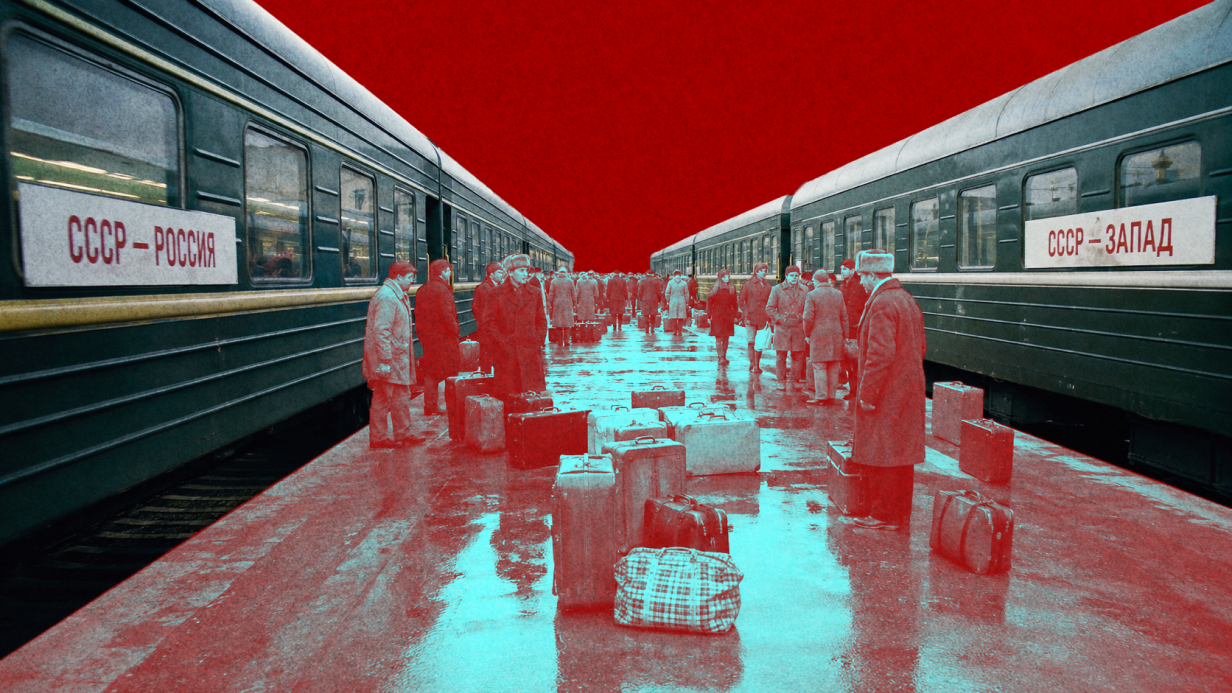
Sometimes They Don’t Come Back: Stories of Émigré Scientists 35 Years After the Soviet Collapse
Exactly 35 years ago, on August 21, 1991, the coup attempt by the self-proclaimed State Committee on the State of Emergency collapsed. The Soviet Union itself had four more months to live, but after those three days in August, a completely different life began for millions of Soviet citizens. The changes touched everyone, but scientists…
-
They Came for the Geneticists? Why Scientists See the New Genetic Data Law as a Threat to Russian Science
On September 1, 2026, right after the summer vacation season, Federal Law No. 43-FZ and Government Decree No. 750 take effect, regulating the transfer of human genetic data outside Russia. Authorities describe the new rules as a measure to protect national security and “genetic sovereignty.” Many scientists, however, see them as a serious blow to…
-
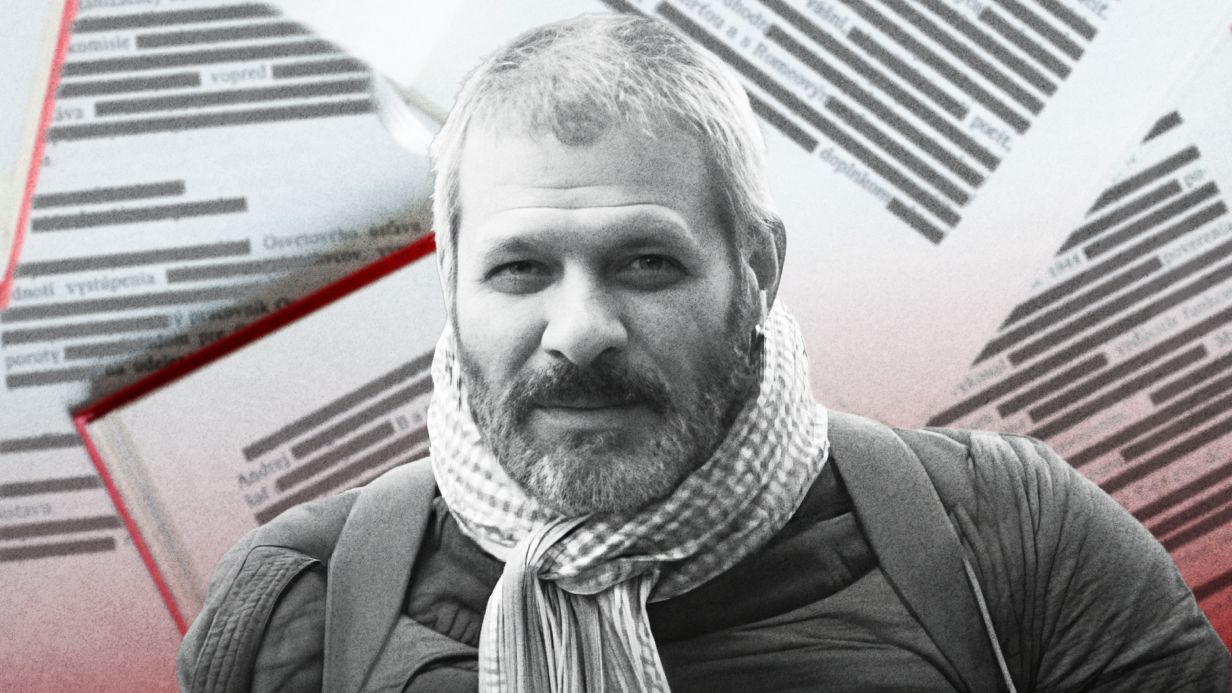
“Propaganda Works Because People Don’t Read Enough.” Publisher Vladimir Kharitonov on Censorship, Tamizdat 2.0, and Life Inside the Absurd
Vladimir Kharitonov is one of the key figures shaping today’s independent Russian-language book world outside Russia. In an interview with T-invariant, the technical director of Freedom Letters and head of the Free University’s publishing project explains how today’s tamizdat differs from Soviet samizdat and why the printed book is still very much alive — TikTok…
-
“Their Wings Have Been Clipped.” What DAAD’s Designation as an “Undesirable” Organization Means
Russia’s Justice Ministry has designated the German Academic Exchange Service (DAAD) an “undesirable” organization. It is not the first organization of this kind to end up on the ministry’s list: the Central European University, the British Council, the International Baccalaureate, EF Education First, and others were added earlier. T-invariant examines how blacklisting one of the…
-

The End of a 35-Year Partnership: Why Pleiades Publishing Is Terminating English Versions of Russian Academy of Sciences’ Journals
American publisher Pleiades Publishing has informed 108 Russian scientific journals that it will stop producing their English-language editions and distributing them through its channels. The company stated that the move is due to the upcoming expiration of its contract with Springer Nature on December 31, 2026. Under that agreement, the journals were included in Springer…
-

By the Color of Their Passport: Sanctions Control Rules Applied to Scientists Now Extended to Students
In several European countries simultaneously, Russian students have been banned from studying IT-related specialties. Cases have also emerged of restrictions on admission (for example, to the politically sensitive program “Arctic Shipping”). Previously, export-control procedures applied only to university and research-center employees, visiting researchers, and collaboration participants; now the same checks are being applied to students.…
-
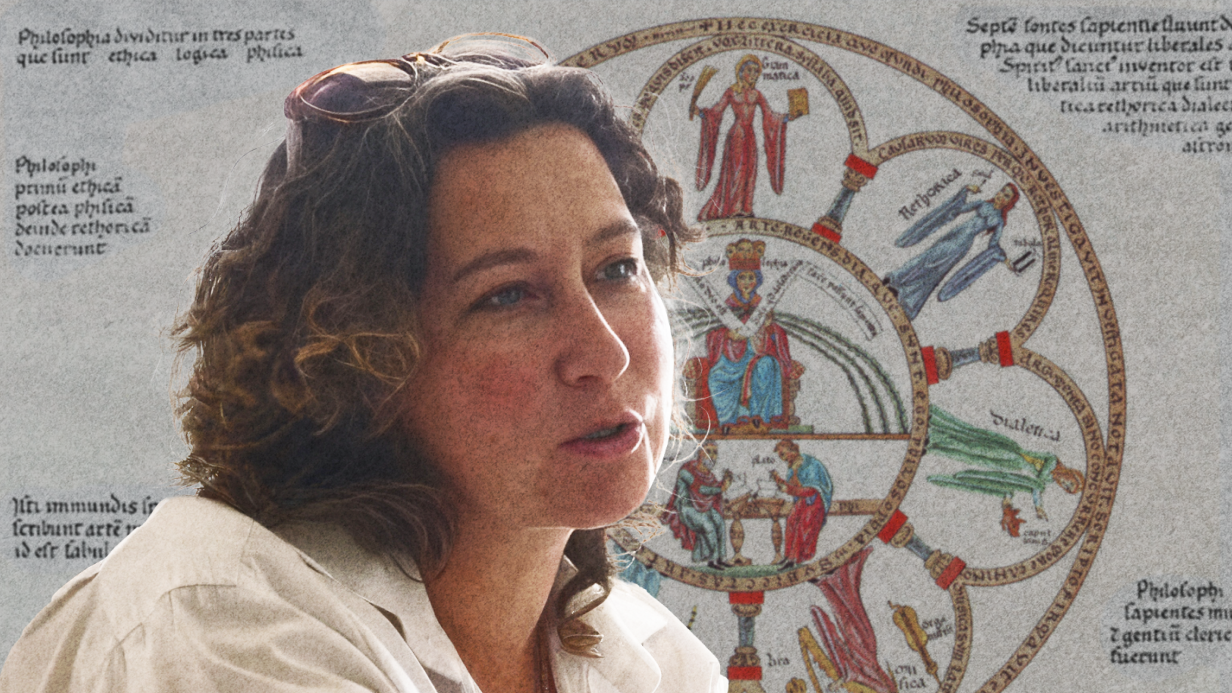
“Professors have no right to drag ideological preferences into the university.” Marina Kalashnikova on the Faculty of Liberal Arts & Sciences in Montenegro
The Russian authorities, through Rosobrnadzor, are dismantling Shaninka (the Moscow School of Social and Economic Sciences, MSSES). T-invariant spoke with Marina Kalashnikova, former dean of Shaninka’s Faculty of Liberal Arts and Sciences, now leading the Faculty of Liberal Arts & Sciences in Montenegro. Was it challenging to explain the program to Montenegrins? How did the…
-
“This Bridge was Burned”. Why did Young Scientists from Russia, Ukraine, and Belarus not Find a Place in the United States?
Fellows of the prestigious Fulbright program faced big problems after the program’s sponsors (IIE and Cultural Vistas) were recognized as undesirable organizations in Russia in March 2024. T-invariant reported on this in detail last summer. What is happening today with young scientists from Russia, Belarus, and Ukraine?
-
Everything Has Already Been Written on Tor. Russian Scientists Cut Off from Up-to-Date Research Databases
In January, it became known that bioRxiv—a vital tool for researchers in the natural sciences—had become inaccessible in Russia. Investigating this situation, T-invariant sought to determine how frequently and for what purposes Russian scientists and educators rely on VPNs in their work, as well as how YouTube’s throttling has impacted their research and outreach efforts.